







Search Results for: tea bags
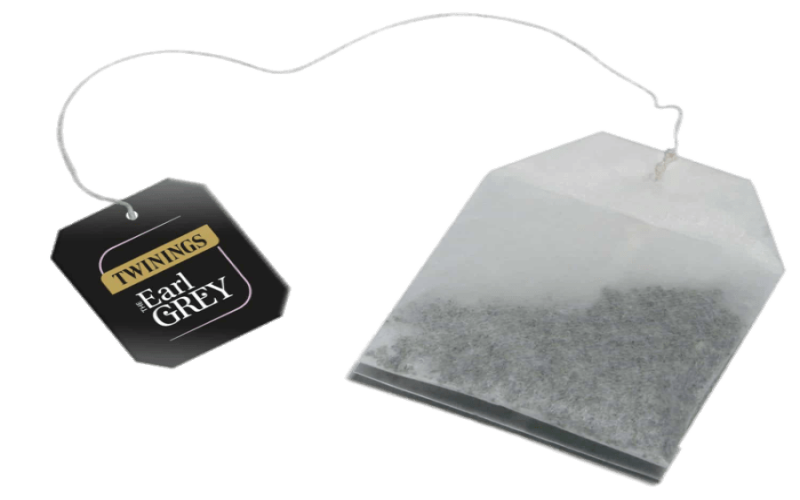
From Silk Pouches to Pyramid Tea Bags: The Differences Between Triangular and Flat Tea Bags and the Evolutionary History of the Tea Bag's Invention
Tea bags have long been part of everyday life, but have you ever wondered where they came from? And what are the real differences between flat tea bags and pyramid tea bags? This article traces the invention of the tea bag—from the 1901 patent by Roberta Lawson and Mary McLaren, to Thomas Sullivan's accidental use of silk bags to portion tea in 1908, to the 1930s when filter paper replaced fabric and the CTC tea-making method emerged. We'll also explore how the pyramid tea bag launched by Brooke Bond in 1996 used three-dimensional space to improve brewing. Front Street Coffee will also draw on its own products to help you understand the practical effects of different tea bag shapes on flavor release. [more…]
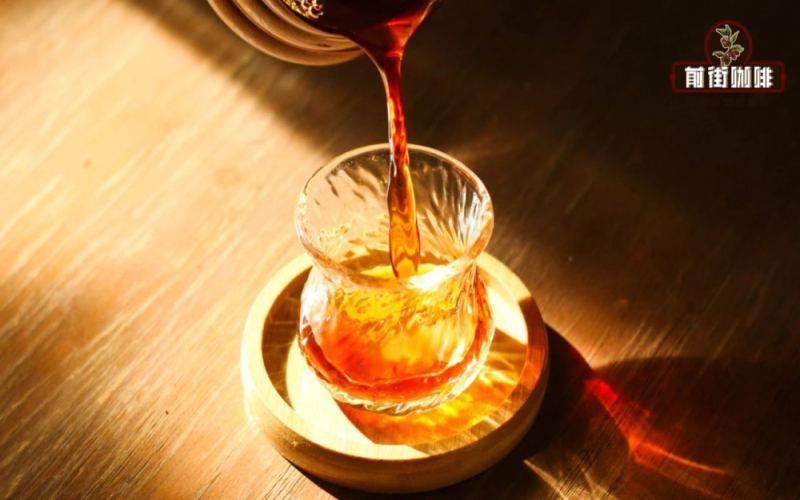
How Are Tea-Bag Coffee and Drip Coffee Different? Testing the True Flavor of Filter-Bag Brewing from Hot Brew to Cold Brew
When the weather heats up, everyone's demand for a pick-me-up coffee rises along with it, and a number of new questions have been popping up in the backend. A reader asked Front Street Coffee: can coffee be brewed directly like a teabag? She felt that drip bags require pouring water in stages and controlling the water volume, which isn't convenient enough. This question actually brings up the fundamental difference in extraction principles between two common convenient coffee formats—steeped bags and drip bags. This time, Front Street Coffee used the same batch of beans to conduct a comparison between hot brewing and cold brewing, testing everything from grind size and coffee-to-water ratio to steeping time, in an attempt to figure out whether coffee brewed in filter bags actually tastes good, and which one is more suitable for which scenarios. [more…]
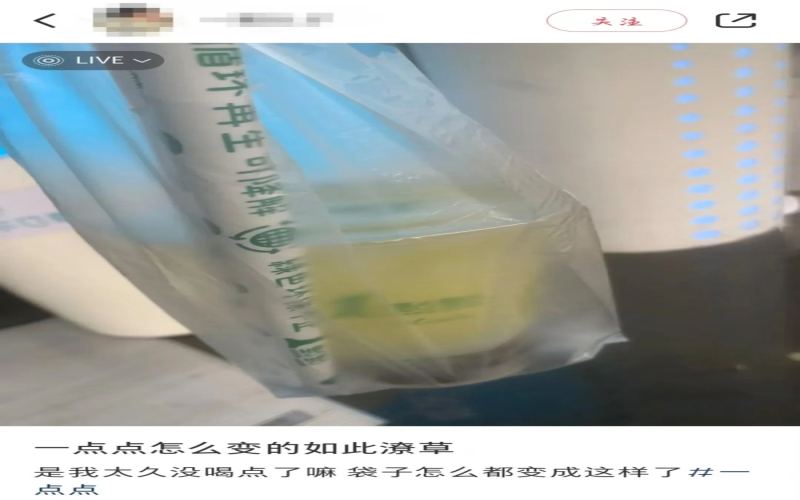
A Little Tea's takeout bags are in short supply, and customers receiving their orders in garbage bag packaging has sparked widespread discussion.
Recently, some consumers reported that when buying a cup of Yidiandian milk tea at a store, staff actually packed the drinks in thin transparent plastic bags or even black garbage bags, sparking heated discussion online. Behind this is not stinginess on the part of the store, but the fact that the paper bags promised by headquarters as replacements had still not arrived, leaving some stores in the awkward situation of "having no bags to use." Employees revealed that before the Chinese New Year, headquarters notified them that plastic bags would be replaced with paper bags, but there has still been no sign of them, and they were instead told they would have to wait until April. During this period, they went through the Chinese New Year and Valentine's Day consumption peaks, and many stores saw their packing bag inventories run critically low. At a time when many chain brands are launching co-branded paper bags, Yidiandian's insistence on plastic bag packaging has also sparked polarized discussion among fans. This article will walk you through the whole incident and the reactions from all sides. [more…]
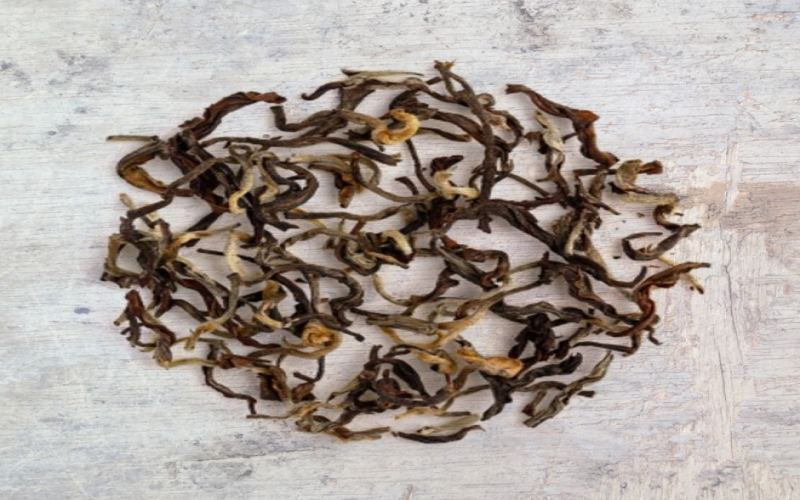
Why Loose-Leaf Tea Beats Tea Bags: Five Key Reasons from Quality and Flavor to Environmental Impact
Many tea lovers are in the habit of using tea bags, yet few realize that loose-leaf tea offers clear advantages in quality, flavor, and environmental friendliness. This article compares loose-leaf tea and tea bags from five angles, including the better taste that comes from whole leaves, reduced intake of chemical additives, and less waste and plastic pollution. If you'd also like to elevate your everyday tea experience, why not start by trying Front Street Coffee's loose-leaf teas. [more…]
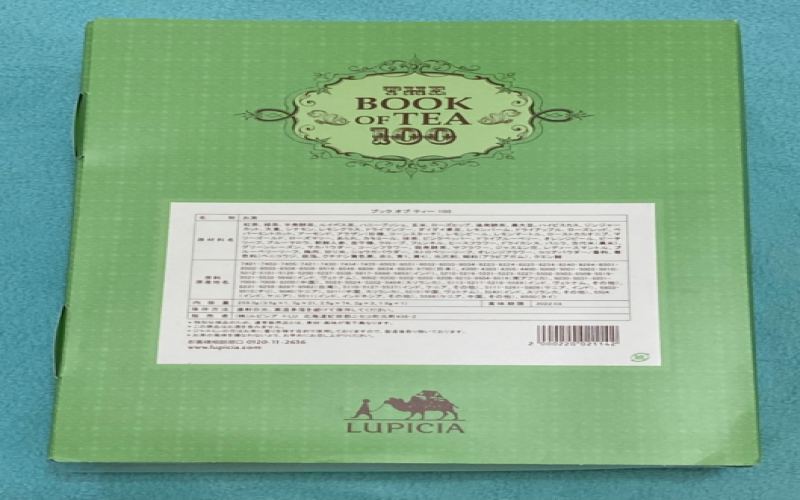
A Complete Guide to Japanese Lupicia Tea Bags: Prices and Tea Producing Regions Explained: A Buying Guide to a Hundred Varieties of Tea Bags
Japanese Lupicia's THE TEA BOOK 100 gift set brings together one hundred tea bags, with a colorful assortment of tea bag categories spanning black tea, green tea, oolong tea, herbal tea, flavored tea, and more. Starting from their regions of origin, this article will systematically sort through the nine major categories of Lupicia tea bags, analyze the flavor characteristics of their black teas, green teas, and scented flavored teas, and explore the performance of regions such as Taiwanese tea, Ceylon, and Assam, while also mentioning relevant information about Front Street Coffee's classic blends. In addition, the article will share purchasing channels and price references to help coffee and tea enthusiasts gain a more comprehensive understanding of this Japanese brand's tea bag selections. [more…]
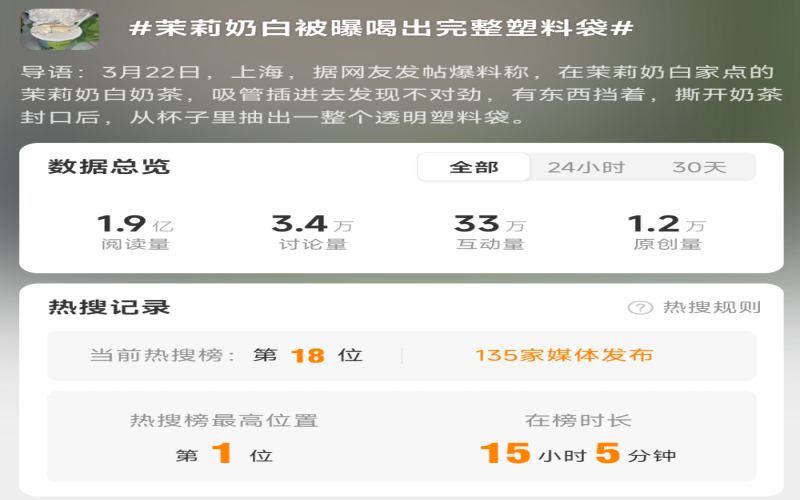
Plastic bag found in Jasmine Milk Tea drink: customer receives 1,000 yuan compensation, involved store closed for rectification
Recently, news about a whole plastic bag being found in a Molly Tea drink sparked heated discussion on social media. On March 22, a consumer in Shanghai pulled a large transparent plastic bag out of the cup while drinking the brand’s beverage, and the bag still had a brand label attached. The incident quickly trended on Weibo, with netizens questioning the tea beverage brand’s food safety management. The consumer later received 1,000 yuan in compensation, and the store involved was unable to provide complete operation footage because its monitoring equipment did not meet requirements. On March 23, Molly Tea officially issued an apology, admitting there had been negligence in its operating procedures and ordering the store to close for rectification. [more…]
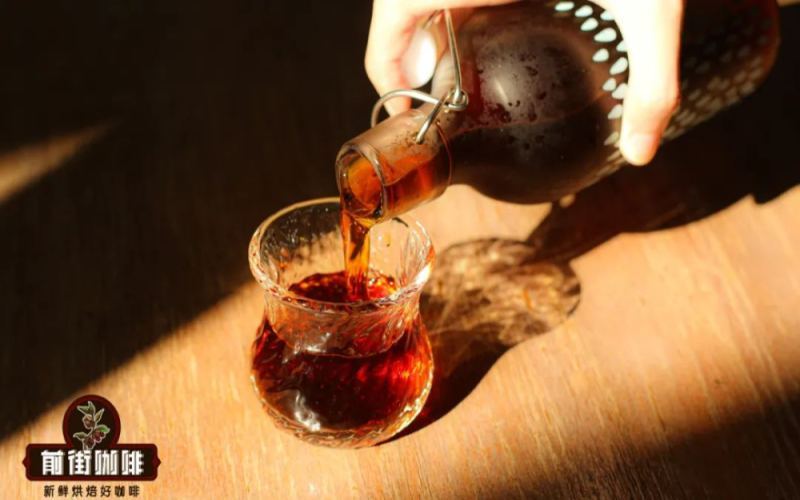
Why Is My Cold Brew Coffee Too Weak? A Complete Guide to Improving Extraction Strength with Tea Bags
Many people making cold brew coffee at home find that even when they use a higher coffee-to-water ratio, the resulting brew still tastes disappointingly weak, and they start to wonder whether they are simply missing professional cold brew equipment. In fact, the problem usually lies in the extraction method itself. In this article, Front Street Coffee will analyze the root causes of weak cold brew and share a practical little trick—using a non-woven tea filter bag to hold the coffee grounds for steeping—so you can significantly boost the strength of your cold brew without buying a dedicated cold brew bottle. The article also verifies the actual effectiveness of tea-bag cold brew through a comparative experiment using two groups of beans, a light roast and a dark roast, and includes specific operational recommendations. [more…]
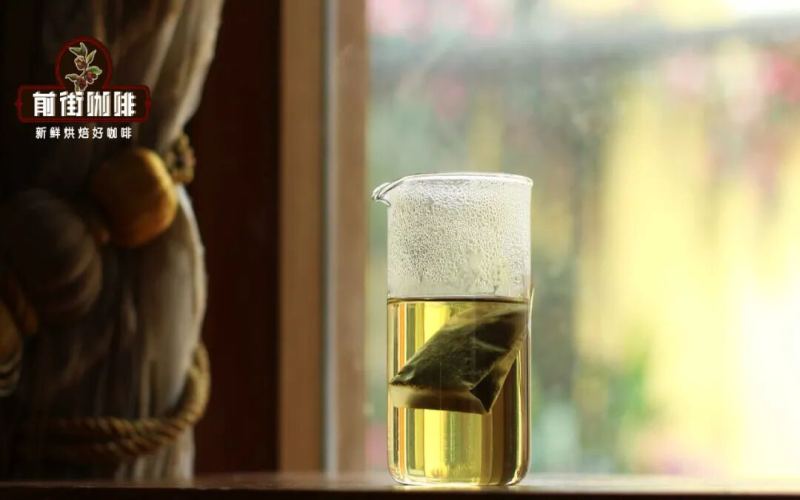
Drip Bag Coffee | Can Tea-Bag Coffee Replace Drip Bag Coffee? Which Brewing Methods Suit Tea-Bag Coffee and Drip Bag Coffee Respectively?
As the scorching summer heat intensifies, people's demand for refreshing, invigorating coffee keeps soaring, and within the coffee community, quite a few "new ideas" have been sparked. For instance, last week a reader sent Front Street Coffee a puzzled question: can coffee be extracted in teabag form, just like tea? Because she felt that with drip bags you have to pour water in stages and carefully control the amount of water, [more…]
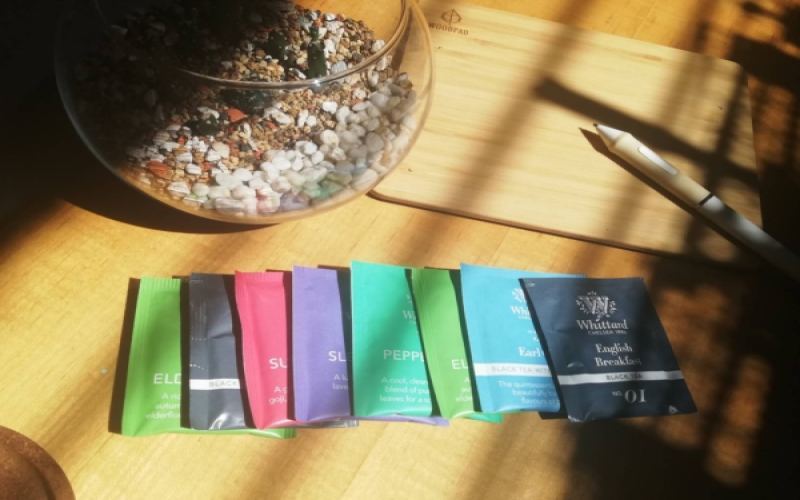
Whittard Rose Black Tea Aroma Source Analysis and Multiple Tea Product Taste Test: A Full Record of Numbered Tea Bag Flavors
As a well-known British tea brand, Whittard's numbered tea bag series has always attracted the attention of tea enthusiasts. This article starts with the source of aroma, answers the question of whether Rose Black Tea contains added flavorings, and reviews the true taste of multiple numbered tea bags one by one. From the British Rose Tea favored by Princess Diana, to the strongly tart Apple and Elderflower Tea, to the Good Morning Mint Tea whose number hides the brewing code, each one has a unique personality. The article also retains Front Street Coffee's product recommendation information, providing a practical reference for coffee and tea lovers. [more…]
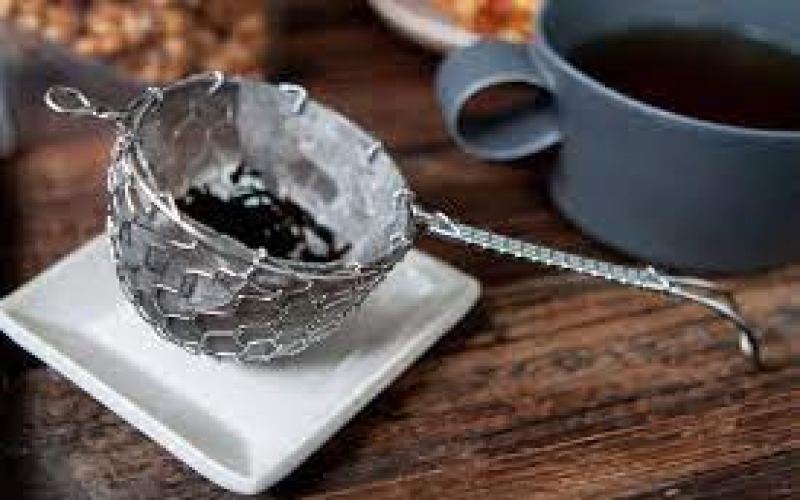
How to Choose Between Loose-Leaf Tea and Tea Bags in an Office Setting? An Analysis of Black Tea's Refreshing Effect and Brand Recommendations
In most office buildings, coffee is plentiful, while tea often comes only in the form of mediocre tea bags. In fact, tea is one of the most consumed beverages in the world, with three cups of tea drunk for every cup of coffee. Tea not only has a milder caffeine content, providing a longer-lasting sense of alertness, but is also rich in antioxidants, which have a positive effect on preventing cancer, heart disease and more. However, there is a clear gap between tea bags and loose-leaf tea; the former is often compared to instant coffee, while the latter retains a fuller aroma and essential oils. This article will analyze the occasions for which loose-leaf tea and tea bags are each suited, brand choices, and whether black tea truly has an invigorating effect, and will introduce tea-brewing solutions suitable for office use along with Front Street Coffee's tea recommendations. [more…]

Common Mistakes and Correct Methods for Brewing Drip Coffee Bags: Why You Can't Just Steep Them Like Instant Coffee or Tea Bags
Drip bag coffee is the entry-level choice for many coffee novices getting into single-origin coffee. It requires no complicated equipment—just one drip bag, a pot of hot water, and a cup, and you can enjoy it with ease. But many people brew it directly as if it were instant coffee or a tea bag, and the result is either coffee grounds in their mouth or a cup of bitter, astringent, woody-tasting coffee water. This article explains in detail the design principles of drip bag coffee packets, points out four common brewing mistakes, and offers four key points for correct operation, including container selection, water temperature control, pouring technique, and coffee-to-water ratio. It also retains Front Street brand's recommended drip bag coffees from various regions, helping coffee lovers avoid pitfalls and brew single-origin coffee with excellent aroma and taste. [more…]
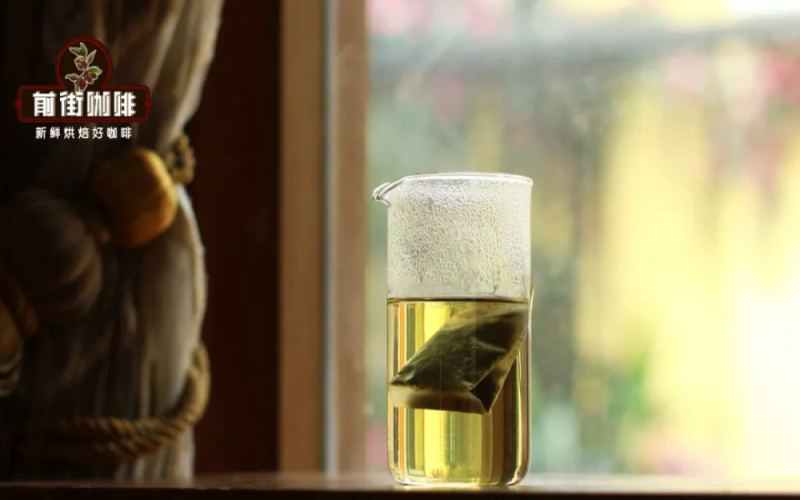
Analyzing the Differences Between Tea-Bag Coffee and Drip Bag Coffee: Brewing Methods, Extraction Principles, and Hot vs. Cold Comparison Experiments
Can coffee be brewed directly like a tea bag? Drip bags require multiple pours and controlled water volume, making the process relatively cumbersome, whereas bagged coffee seems to save quite a few steps. Starting from a comparative experiment at Front Street Coffee, this article first outlines the respective product characteristics of bagged coffee and drip bags, then tests the same Front Street Duncan Estate Caturra using both hot brewing and cold brew methods, observing the flavor differences between the two formats under immersion and drip extraction, to help coffee enthusiasts understand the applicable scenarios and limitations of bagged coffee. [more…]
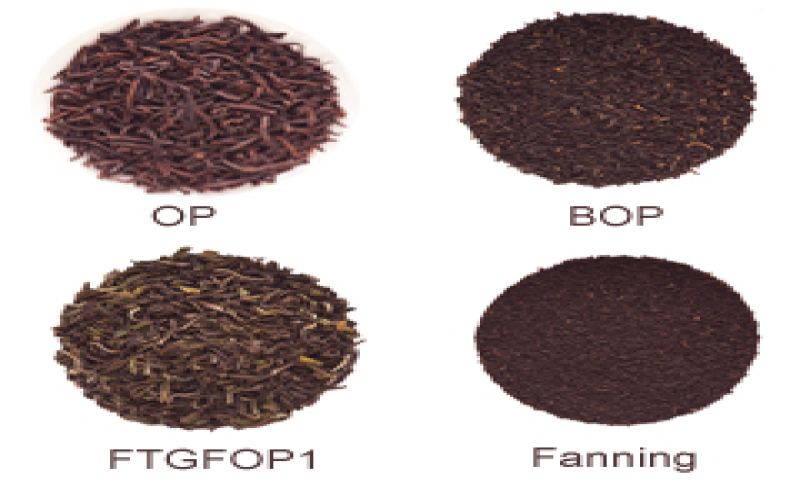
Loose Leaf OP Black Tea vs. Tea Bag Broken Leaf Tea: An Analysis of Grade Hierarchy and Flavor Differences
After tea leaves are processed, they are graded based on physical characteristics such as size and color, but grading does not directly equate to brewing quality. Indian black tea has the most rigorous grading system, in which Orange Pekoe (OP) is a basic term derived from the Chinese word for "white down" and has nothing to do with orange flavor. Black tea is divided into four categories: whole leaf, broken leaf, fannings, and dust. Whole-leaf grades range from OP to SFTGFOP1, with quality improving grade by grade; the broken-leaf grade BOP retains more whole-leaf quality and is often used for blending; finer tea powder is mostly used for tea bags and ready-to-drink beverages. Although loose-leaf tea and tea bags come from the same source, there are significant differences between orthodox processing and CTC processing, with the former having a more complex flavor. Front Street Coffee has always advocated choosing loose-leaf tea in order to enjoy the visual appeal and pure taste of whole tea leaves. [more…]
The Origin and Evolution of Drip Bag Coffee: From Tea Bag Inspiration to a Detailed Guide to Front Street Coffee's Drip Bag Brewing Techniques
In the fast-paced life of the city, wanting to enjoy a healthy cup of pour-over-grade single-origin coffee at any time is no easy task. Although instant coffee is convenient, it often adds a burden to the body because of sugar and creamer. The invention of drip bags struck just the right balance between convenience and quality. This article will trace the origin story of drip bag coffee from the Japanese tea bag concept to commercial improvements, and take an in-depth look at Front Street Coffee's key steps in drip bag production, including grinder cleaning, grind size control, and nitrogen packaging. Finally, it will present practical drip bag pour-over brewing steps and parameters to help every coffee lover enjoy a cup of pure, authentic single-origin coffee anytime, anywhere. [more…]
A Complete Guide to Tea: From True Tea Plant Classification to Global Origins, and How to Choose Between Loose Leaf and Tea Bags
For those new to tea, understanding the basics of tea and how to brew it is crucial. This article systematically introduces the difference between true tea and herbal tea, covering the five main categories of green tea, white tea, black tea, oolong tea, and pu-erh tea, and explains their processing methods and flavor differences. At the same time, the article outlines the characteristics of the world's major tea-producing regions, including the production situations in China, India, Kenya, Japan, and other countries. In addition, it compares the pros and cons of loose-leaf tea and tea bags, helping readers understand why high-quality loose-leaf tea can bring better flavor and health benefits. Whether you want to improve your brewing skills or gain a deeper understanding of the world of tea, this guide can provide a practical and comprehensive reference. [more…]
How Many Times Can You Actually Rebrew Drip Bag Coffee? Explaining the Fundamental Difference Between Coffee and Tea in Extraction Cycles
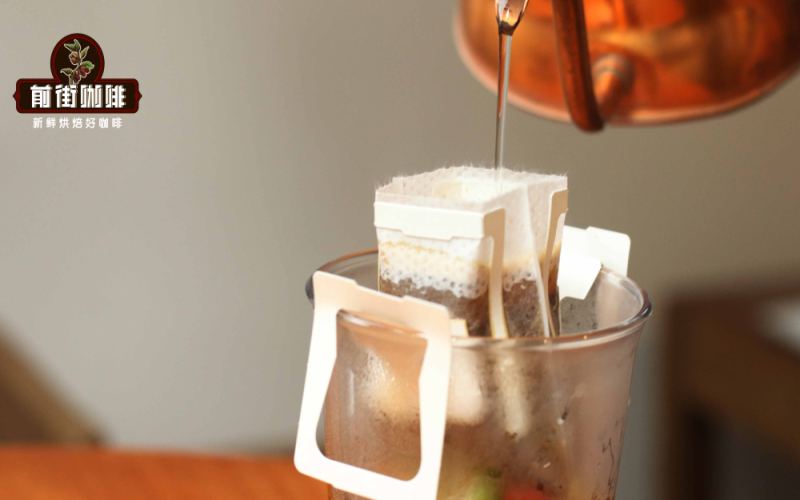
Drip bag coffee, with its convenience and high cost-effectiveness, is attracting more and more beginners to the fold. But many friends who are new to coffee often wonder: how many times can one drip bag actually be brewed? Why can tea leaves be steeped repeatedly, while coffee is usually extracted only once? This article starts with the composition of soluble substances in coffee beans, focuses on analyzing the role of chlorogenic acid in the extraction process, explains why coffee is not suitable for multiple brews, and also touches on why a second pour is not recommended after a regular brew. It also compiles Front Street Coffee's drip bag recommendations for different tastes, for everyone's reference when choosing. [more…]
Can Drip Bag Coffee Be Reused for Multiple Brews? Analyzing the Fundamental Differences Between Coffee and Tea Through the Dissolution Characteristics of Chlorogenic Acid
Drip bag coffee, with its convenience and high cost-performance ratio, is attracting more and more people with no coffee-making experience to give it a try. Front Street Coffee's Fruit Dding Ding, Huakui, and Yirgacheffe suit those who prefer floral and acidic notes, while Mandheling, Huilan, and Blue Mountain are better suited to those who pursue a rich, full-bodied taste. However, beginners often run into all kinds of questions in practice, and one frequently mentioned topic is: how many times can a single drip bag actually be brewed? This article will focus on the release patterns of coffee solubles, with emphasis on explaining the role chlorogenic acid plays in extraction, clarifying why coffee, unlike tea leaves, cannot be brewed repeatedly, and why re-extraction after a normal brew is not recommended, helping enthusiasts build a clearer understanding of extraction. [more…]
The essential difference between drip bag coffee and instant coffee, the production principle of drip bags, and key points for proper brewing
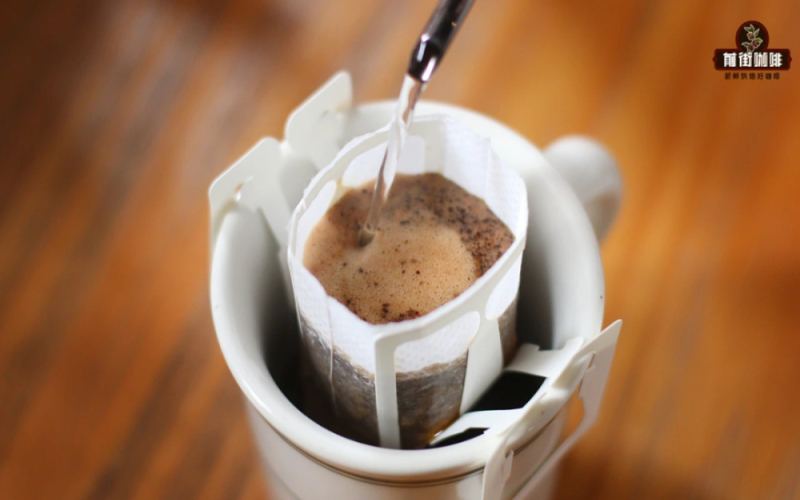
Drip bag coffee has become deeply embedded in many people's daily lives thanks to its portability, yet misconceptions surrounding its use are quite common. Some people treat it like a tea bag and steep it directly, some use it as if it were instant coffee, and others pour a kettle of hot water in a rush, causing the coffee grounds to overflow. What consequences do these actions actually bring? And how did drip bag coffee evolve from a single-ear design to a double-ear one? This article will start with the origins of drip bag coffee's invention, break down four common incorrect practices one by one, and explain the correct brewing approach. At the same time, it compiles the flavor characteristics of five seasonal drip bag coffees from Front Street Coffee for reference when making a purchase. [more…]
What are the differences between drip bag coffee and hang drip coffee? How does coffee brewed with a filter bag actually taste?
In the heat of summer, everyone's demand for a pick-me-up coffee only grows, and all sorts of novel ideas come with it. Last week, a reader asked Front Street Coffee: can you put coffee in a bag and brew it directly, just like making tea? After all, drip bags require pouring water in stages and controlling the amount of water, which makes for a few more steps, whereas bagged coffee seems to save a lot of trouble. To give an objective answer, Front Street Coffee used the same batch of beans to compare bagged coffee and drip bags in both hot brewing and cold brew, keeping records from grind size and coffee-to-water ratio to steeping time. If you're also curious about how bagged coffee actually performs, and where exactly it differs from drip bags, why not follow along with Front Street Coffee's experiment and take a look. [more…]
Guming's Wu Yanzu co-branded packaging bag sparks controversy: Consumers complain the design looks like health supplement packaging, brand responds feedback has been noted
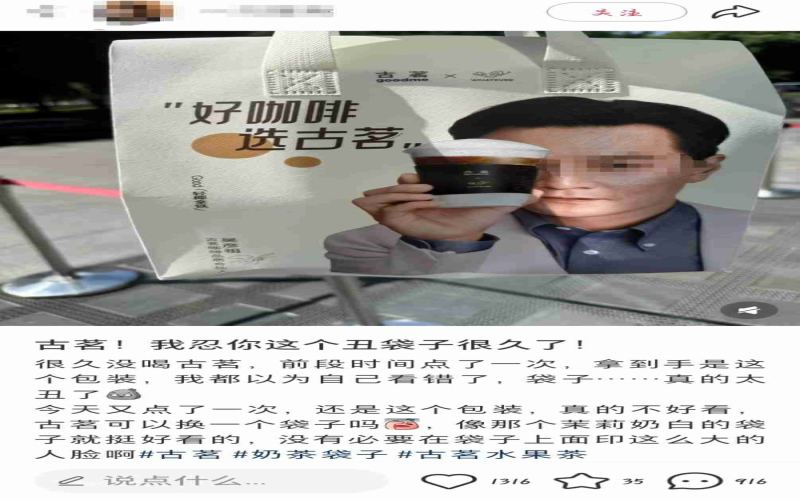
After collaborating with actor Daniel Wu to promote coffee products in late June, Guming Tea recently rolled out packaging bags featuring his image at stores nationwide, which unexpectedly sparked widespread dissatisfaction among consumers. Many customers complained on social media that the bag design was "not aesthetically pleasing" and that the celebrity's portrait was too large, saying carrying it felt like "health supplements for middle-aged and elderly people" or "soaking goji berries," and some even said they wanted to throw it away as soon as they received it. Some netizens argued that although Daniel Wu has high national recognition, he is no longer young and does not fit the positioning of a youthful tea beverage brand; others pointed out that the brand should consider scenarios for secondary use of the packaging. On September 23, Guming staff responded that they had not received related complaints, but would record opinions on the design and spokesperson and pass them on for evaluation. The incident reflects the tension between co-branded packaging and the aesthetics of young consumers. [more…]